Rescue42 Composite Struts & Shoring

Lightweight, high-strength composite telescopic struts and shore systems for vehicle stabilisation, structural shoring and confined space rescue operations.

Rescue42 — USA

Rescue42 designs and manufactures composite rescue struts that are 60% lighter than steel equivalents while delivering superior load capacity. The CTC (Composite Telescoping Cribbing) system deploys in seconds with no tools required. All struts are rated and tested to NFPA 1670 standards. The system is in active service with fire departments and rescue teams across North America, Europe and the Middle East.

🚗
CTC Vehicle Stabilisation Struts
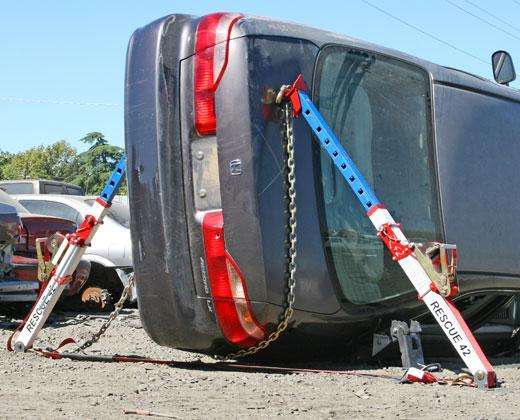
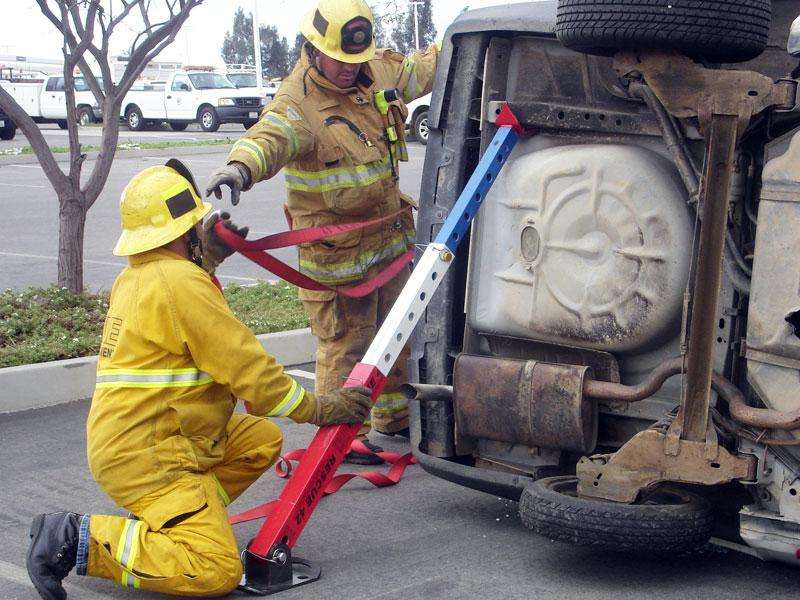
Telescoping composite struts for stabilising cars, trucks, buses and overturned vehicles during extrication. Deploy in under 10 seconds with no tools required.
Rescue42 CTC1
Rescue42
CTC1 Strut
Standard composite telescoping strut for passenger vehicle and light truck stabilisation
  • Load capacity: 36,000 lbs (16.3 T)
  • Collapsed length: 660 mm (26 in)
  • Extended length: 1,270 mm (50 in)
  • Weight: 4.5 kg
  • One-hand deployment, no tools
Request a Quote
Rescue42 CTC Jr7
Rescue42
CTC Jr7 Strut
Compact strut for confined spaces, motorcycles, and secondary stabilisation points
  • Load capacity: 18,000 lbs (8.2 T)
  • Collapsed length: 457 mm (18 in)
  • Extended length: 838 mm (33 in)
  • Weight: 2.7 kg
  • Ideal for side/roof contact points
Request a Quote
Rescue42 CTC6006
Rescue42
CTC6006 Heavy Strut
Heavy-duty strut for HGVs, buses, commercial vehicles and structural applications
  • Load capacity: 54,000 lbs (24.5 T)
  • Collapsed length: 914 mm (36 in)
  • Extended length: 1,829 mm (72 in)
  • Weight: 8.6 kg
  • For heavy vehicle incidents
Request a Quote
🏗️
Structural Shoring Systems
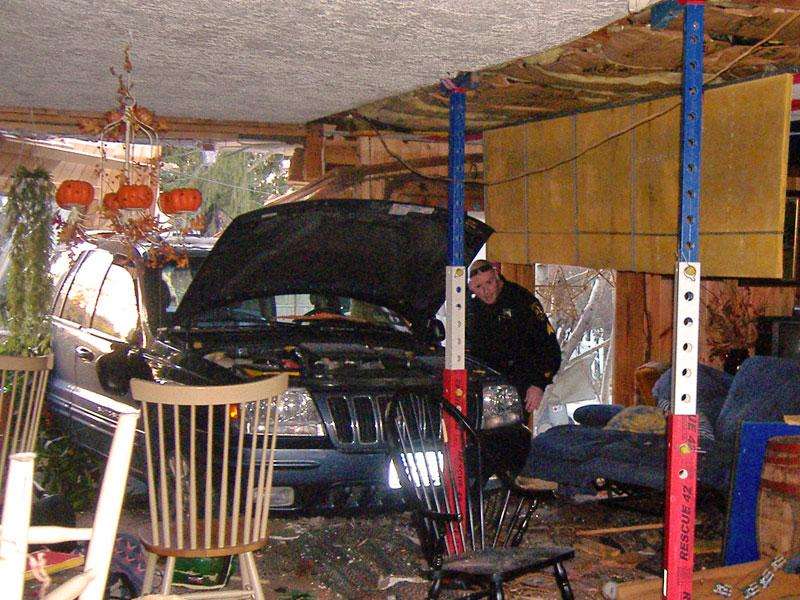
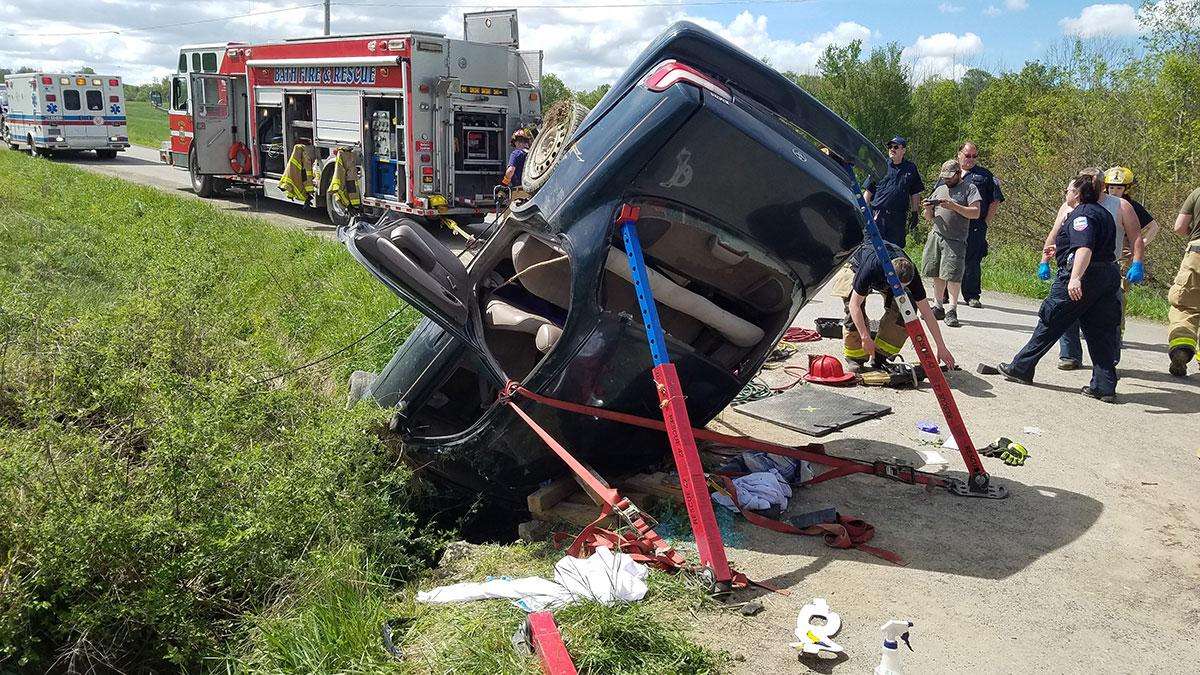
Composite shoring kits for collapsed structures, trench rescue and building stabilisation. Compatible with standard shoring heads and base plates.
Rescue42 Shoring System
Rescue42
Composite Shoring Strut
High-load composite shore for structural collapse and trench shoring operations
  • Composite fibreglass construction
  • Non-conductive (dielectric)
  • Variable length configurations
  • Standard head/base plate interface
  • Resists oils, fuels, solvents
Request a Quote
Rescue42 Vehicle Stabilisation Kit
Rescue42
Vehicle Stabilisation Kit
Complete rapid-deploy strut kit: 4× CTC1 + 2× CTC Jr7 in carry bag
  • 4× CTC1 standard struts
  • 2× CTC Jr7 compact struts
  • Carry/storage bag included
  • Covers all 4-point stabilisation patterns
  • Total kit weight: approx. 24 kg
Request a Quote
Rescue42 High-Reach Kit
Rescue42
High-Reach Kit (HGV)
HGV/bus stabilisation kit: 2× CTC6006 + 2× CTC1 in wheeled carry case
  • 2× CTC6006 heavy struts
  • 2× CTC1 standard struts
  • Wheeled carry case
  • Covers large bus/coach incidents
  • Rated to NFPA 1670
Request a Quote

Why Composite Struts vs Steel Cribbing?

Traditional vehicle stabilisation relied on wooden cribbing blocks — inherently variable in quality, heavy to carry in volume, and slow to configure. Steel struts improved load capacity but introduced weight penalties that affect response time and firefighter fatigue. Rescue42's composite CTC system uses a Kevlar-reinforced fibreglass construction that changes the equation on all three variables.

A CTC1 strut weighs 4.5 kg and is extended and locked in one hand in under 3 seconds. It holds 36,000 lbs (16.3 T). An equivalent steel strut would weigh approximately 11–14 kg. Over a full vehicle stabilisation kit — 4× CTC1 and 2× CTC Jr7 — the weight saving is approximately 40 kg. That is 40 kg that stays off the rescue truck or reaches the scene carried by one less person.

60% lighter than steel
CTC1 weighs 4.5 kg. Steel equivalent: 11–14 kg. Significant weight saving across a full deployment kit.
One-hand deployment
Twist-and-lock telescoping action. Extend and lock a CTC1 in under 3 seconds with one hand — leaving the other free.
Non-conductive
Fibreglass composite is fully dielectric — safe to use near live electrical hazards at road traffic incidents.
Fuel and chemical resistant
Resists oils, fuels, hydraulic fluid and road salts — no degradation in the wet, dirty conditions of a real incident.

Standard 4-Point Vehicle Stabilisation

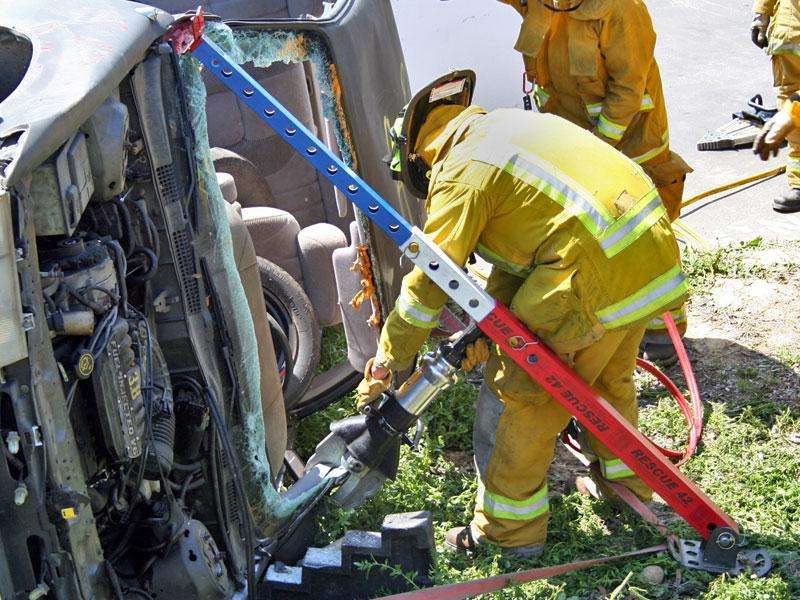
Vehicle stabilisation is a critical pre-extrication task — an unstable vehicle that moves during cutting or patient extraction causes secondary injuries. The Rescue42 4-point method using CTC1 struts is the current best practice for passenger vehicles and light trucks:

  1. Approach and assess — identify vehicle orientation, energy sources, and likely movement vectors.
  2. Wheel chocks first — chock all accessible wheels before placing struts.
  3. Roof contact struts — place 2× CTC1 at the B-pillar roof rail, angled outward at 45°, extending to the ground with the foot plate flat on the surface.
  4. Rocker panel struts — place 2× CTC1 at the front and rear of the rocker panel, adjusted to remove any side-to-side movement.
  5. Secondary points with CTC Jr7 — smaller struts fill secondary contact points at door sills, pillars, or undercarriage where CTC1 is too large to position correctly.
  6. Verify stability — test for movement in all axes before beginning rescue procedures.

For HGVs, coaches and buses, the CTC6006 heavy strut provides the additional reach and load capacity required — the High-Reach Kit (2× CTC6006 + 2× CTC1) covers these scenarios in a single wheeled case.

Frequently Asked Questions

What is the load capacity of Rescue42 CTC struts?

The CTC1 standard strut is rated to 36,000 lbs (16.3 T). The CTC Jr7 compact strut is rated to 18,000 lbs (8.2 T). The CTC6006 heavy strut for HGVs and buses is rated to 54,000 lbs (24.5 T). All ratings are working load limits — Rescue42 struts are tested well beyond these figures in accordance with NFPA 1670 requirements.

How quickly can CTC struts be deployed?

A trained rescuer can extend and lock a CTC1 strut in under 3 seconds using one hand. A complete 4-point vehicle stabilisation using 4× CTC1 struts can be achieved by two rescuers in under 60 seconds from taking the struts out of the carry bag. This compares favourably with wooden cribbing (several minutes to build stable step chocks) and steel struts (heavier to position, similar locking mechanism).

Are Rescue42 struts safe near live electrical cables?

Yes. Rescue42 CTC struts are manufactured from fibreglass composite — a non-conductive (dielectric) material. They do not conduct electricity and can be safely used in proximity to downed power lines or vehicle high-voltage systems at road traffic incidents. This is a significant safety advantage over steel struts and standard steel cribbing hardware.

What is the difference between the CTC1 and CTC Jr7?

The CTC1 is the standard strut — 660 mm collapsed, 1,270 mm extended, 4.5 kg, rated to 36,000 lbs. It is used for primary stabilisation at the roof rail, B-pillar and rocker panel of passenger vehicles. The CTC Jr7 is a compact strut — 457 mm collapsed, 838 mm extended, 2.7 kg, rated to 18,000 lbs. It is used for secondary stabilisation points, confined spaces, motorcycle incidents, and locations where the CTC1 is too long to position correctly.

Which kit covers bus and HGV incidents?

The High-Reach Kit is designed for HGV and bus stabilisation. It contains 2× CTC6006 heavy struts (1,829 mm extended, 54,000 lb capacity) and 2× CTC1 standard struts, supplied in a wheeled carry case. The CTC6006 provides the extended reach needed to stabilise tall vehicles and the load capacity required for heavy commercial vehicles, coaches and articulated lorries.

Do you supply Rescue42 equipment to Egypt and across Africa?

Yes. Fire and Rescue Tech supplies Rescue42 CTC struts and kits to fire brigades, civil defence organisations, airport rescue teams and industrial emergency response departments across Egypt, the Middle East and Africa. We supply individual struts, complete vehicle stabilisation kits, and high-reach HGV kits. Contact us with your fleet profile and we will recommend the right kit composition.

Need a complete vehicle stabilisation system?

We supply Rescue42 struts as individual units or complete kits with carry bags and training support. Contact us for pricing and availability.

Request a Quote